
Website Design Mistakes that Hurt Business Growth
A business website is not created just to look attractive. Its real purpose is to communicate value, build trust, and guide visitors toward meaningful actions. When design decisions fail to support these goals, the website quietly starts working against the business.
Many businesses continue investing in marketing, ads, or SEO without realizing that the real problem lies in how their website is designed. Poor design choices do not always look obvious, but their impact is reflected in lost inquiries, low engagement, and stalled growth.
This article explains the most damaging website design mistakes that hurt business growth and why fixing them is critical for long-term results.
Why Website Design Has a Direct Impact on Business Results
Website design influences how users think, feel, and act. Every layout decision, spacing choice, and visual element affects how visitors interpret your business.
When design prioritizes aesthetics over clarity and usability, visitors struggle to understand what you offer and why they should trust you. This confusion leads to hesitation, and hesitation leads to lost opportunities.
Common Website Design Mistakes That Affect Business Growth
Designing for Appearance Instead of Purpose
A visually appealing website does not automatically perform well. Many websites focus heavily on creativity while ignoring how users actually behave.
Common signs of this mistake include:
- Overuse of animations and visual effects
- Creative layouts that make navigation unclear
- Design elements that distract from the main message
Users visit websites to solve problems, not to admire design experiments. When purpose is unclear, visitors leave without taking action.
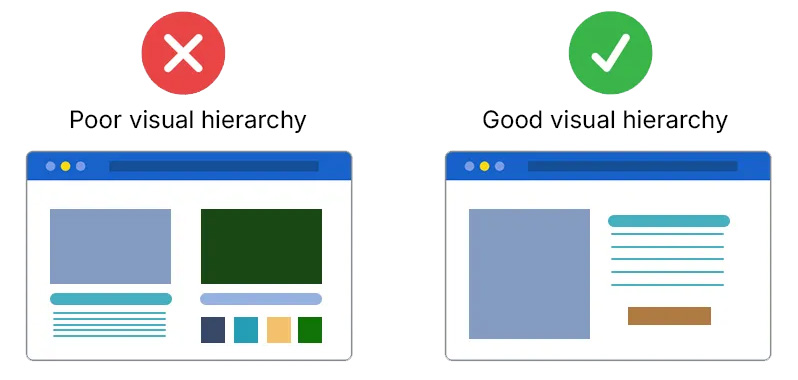
Weak Visual Hierarchy
Visual hierarchy determines what users notice first and what they do next. When everything on a page looks equally important, users feel overwhelmed.
We recently audited a service website where the pricing button visually blended into the background. Users were scrolling, but not clicking.
Problems caused by weak hierarchy include:
- Important messages getting ignored
- Calls to action blending into the page
- Users missing key information
Good hierarchy guides attention naturally. Poor hierarchy forces users to figure things out themselves.
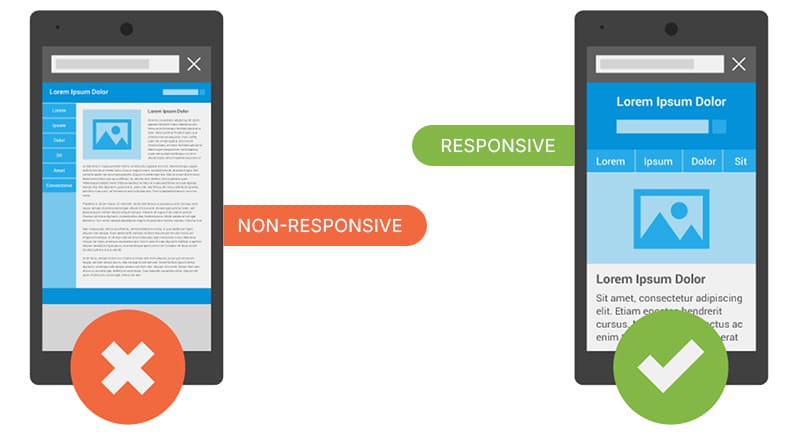
Poor Mobile Design Experience
Mobile traffic dominates most business websites. If your website is difficult to use on a phone, it immediately damages trust.
Common mobile design mistakes include:
- Text that is difficult to read
- Buttons placed too close together
- Layouts that break on smaller screens
A poor mobile experience suggests poor attention to detail, which reflects negatively on the business.
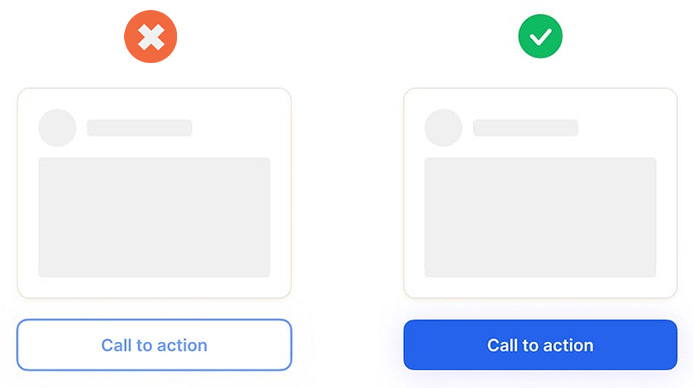
Unclear or Ineffective Calls to Action
Visitors should never have to guess what to do next. When calls to action are unclear, conversions suffer.
Typical CTA issues include:
- Generic button labels
- Multiple competing actions on one page
- CTAs placed where users are not ready to act
A strong call to action is clear, visible, and aligned with user intent.
Lack of Trust Signals
Design plays a major role in building trust. When credibility elements are missing, users hesitate before engaging.
Trust-related design mistakes often involve:
- No testimonials or proof of work
- No clear contact information
- Overuse of generic stock images
Without reassurance, users choose competitors who feel safer. Before your website can convert, customers have to trust you. And trust in India starts with Google Maps. Setting up a Google Business Profile is the first step to building that trust.
How Design Mistakes Affect Conversions
Design problems rarely exist alone. They directly contribute to conversion failures by creating confusion, friction, and doubt.
If your website receives traffic but does not generate inquiries, the issue often lies in how design, structure, and messaging work together. This connection is explained further in why my website is not converting visitors into leads, which focuses specifically on conversion breakdowns.
When Design Problems Are Tied to Performance
In many cases, design mistakes also affect website speed. Heavy visuals, unoptimized images, and complex layouts can slow a website down significantly.
When performance declines, user patience declines with it. This relationship becomes especially visible on WordPress websites, which is discussed in detail in why wordpress websites become slow over time.
Final Thoughts
Website design mistakes do not destroy businesses overnight. They reduce growth quietly, one missed opportunity at a time.
Fixing these mistakes requires clarity, structure, and a user-focused approach. When design supports purpose instead of decoration, the website becomes a reliable business asset rather than a liability.
Connect & Grow
Want to redesign your website?
Contact us today and let’s build something amazing together.


