
7 Real Costs of a Multi Vendor eCommerce Website in India
Everyone wants to build the next Amazon or Flipkart.
I get calls every week from ambitious founders in Jaipur, Delhi, and Bangalore. They have a brilliant idea for a niche marketplace. Maybe it is for local handicrafts, organic farm produce, or specialized electronics.
They have the passion. They have the vendors. But then comes the money question.
“Hey, can you build this for ₹15,000?”
I usually take a deep breath before answering.
The truth is simple. Building a multi vendor ecommerce website cost in India is not the same as building a blog or personal portfolio. It is a different beast altogether.
You are not running one store. You are running a mall, where dozens or even hundreds of sellers are operating at the same time.
If you want a platform that actually works and does not fall apart when traffic increases, you need to understand the real costs involved.
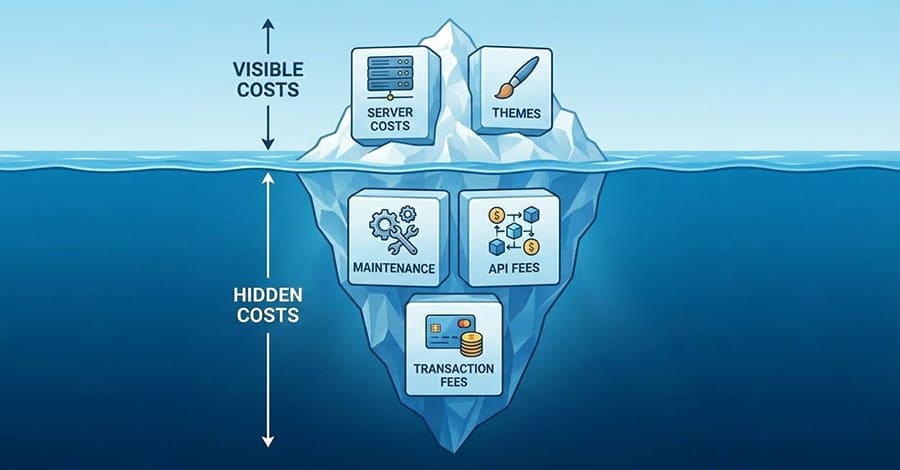
A multi vendor marketplace cannot run on cheap shared hosting. Trying to save money here is the fastest way to kill your project.
These websites are database heavy. Every product search, vendor dashboard action, commission calculation, and order update puts load on the server.
If hosting is weak:
- Vendor dashboards become slow
- Product uploads fail
- Sellers lose confidence and leave
The Real Cost: You need VPS level or managed WordPress hosting.
Estimated Price: ₹2,500 to ₹4,000 per month. This is not optional. It is the foundation.
Recommended managed hosting for serious multi-vendor marketplaces:
This is where most founders underestimate the work. Buying software is easy. Configuring it correctly is not.
A proper setup includes:
- Commission logic
- Shipping zones for different regions
- Vendor dashboard usability
- Mobile friendly vendor experience
This is not a “click and done” task. It requires experience.
The Real Cost: Hiring a specialist developer or agency.
Estimated Price: ₹40,000 to ₹1 Lakh, depending on complexity. If this part is done wrong, everything else fails.
For custom layouts and vendor dashboard tweaks, tools like Elementor Pro help speed up development without compromising flexibility.

In India, trust decides conversions. You need:
- A secure SSL setup
- A reliable payment gateway
- Proper split payment configuration
Split payments mean the system automatically distributes money between you and vendors without manual intervention. This setup is more technical than most founders expect.
The Real Cost: Primarily developer time.
Estimated Price: ₹5,000 to ₹10,000.

Most customers and vendors will use mobile devices. At launch, a fully native mobile app is unnecessary and expensive.
A PWA or app wrapper is a smarter first step. It provides:
- App like experience
- Push notifications
- Lower development cost
The Real Cost: PWA or wrapper setup.
Estimated Price: ₹15,000 to ₹25,000. Native apps can come later.